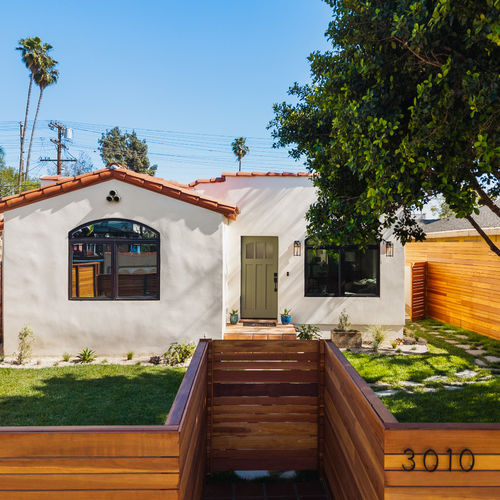


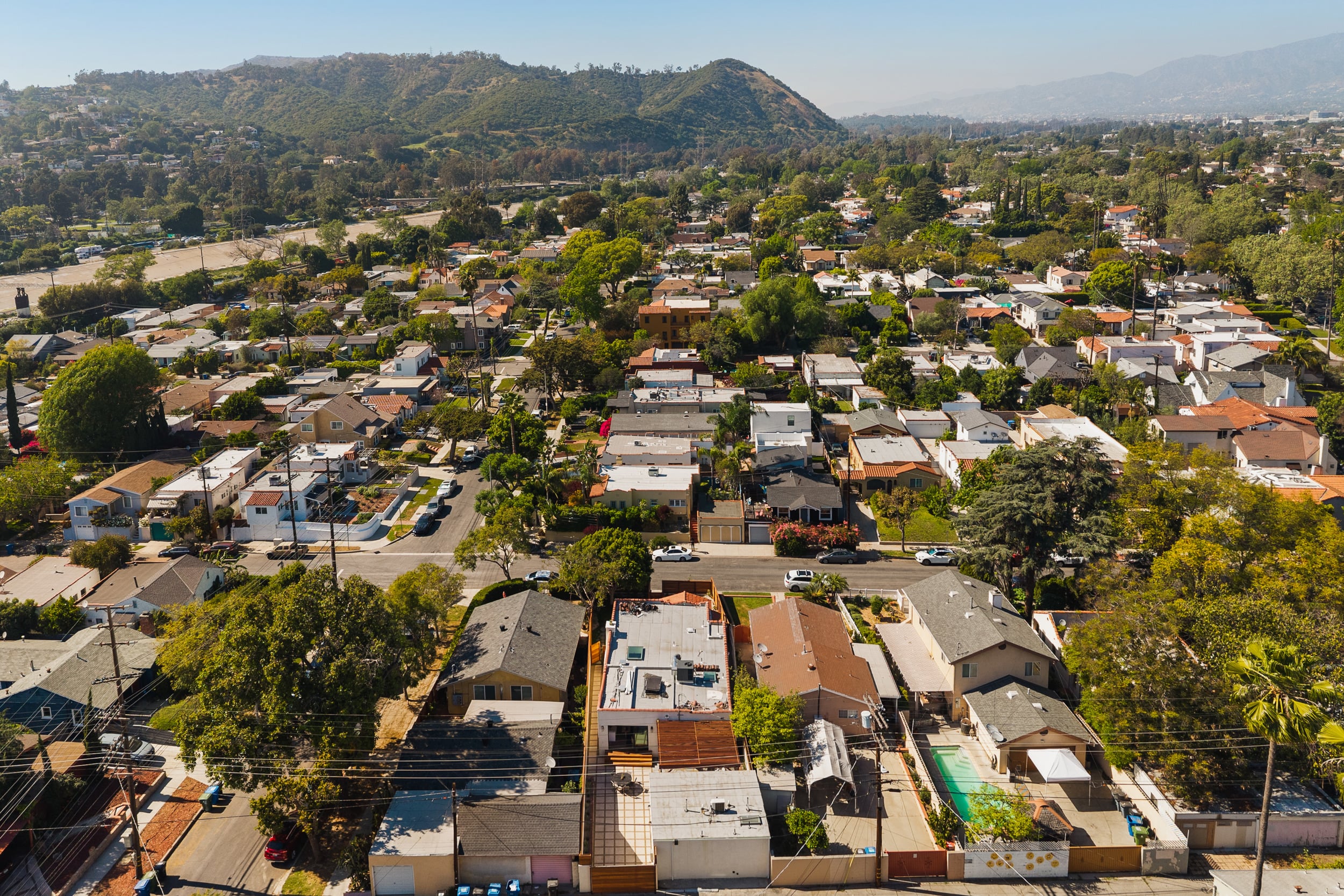
Los Angeles has a way of feeling both exciting and completely overwhelming when you're trying to figure out where to buy. The sheer number of neighborhoods, the traffic, the price ranges that shift dramatically from one zip code to the next — it's a lot to process before you've even started touring homes. Northeast LA tends to cut through some of that noise for buyers who want character, a real sense of community, and a location that doesn't fight against their daily routine.
One thing worth clarifying early is that "Northeast LA" gets used loosely in real estate conversations. Buyers and agents often include neighborhoods like Los Feliz and Silver Lake under that umbrella even though they sit outside the official city planning boundaries. That's fine — the lifestyle connections between these areas make them worth comparing together, and that's exactly what this guide does.
The neighborhoods covered here are Atwater Village, Los Feliz, Silver Lake, Highland Park, Eagle Rock, Glassell Park, and Mount Washington. Each one gets a honest look through the questions that actually matter when you're relocating — budget, commute, daily life, schools, and what the neighborhood feels like once the novelty wears off.
Start With the Three Questions That Matter Most
Choosing a neighborhood in Los Angeles is often more important than finding the perfect house. A well-located home in a neighborhood that fits your life will serve you better than a larger or more polished home somewhere that creates daily friction. So before getting into neighborhood-by-neighborhood details, it helps to run a quick filter on three things — budget, commute direction, and lifestyle priorities.
The market reality first: Northeast LA is no longer an affordable alternative to the Westside or the beach cities, but it does offer more character and variety at its price points. The broader area sits around a $1.23M median sale price, with homes moving in about 39 days on average. That's a competitive market, and buyers who come in without a clear sense of what they want tend to lose out or end up compromising in ways they didn't anticipate.
Commute direction is the second filter. Los Angeles traffic is directional, which means a neighborhood that works well for someone commuting to Burbank might be genuinely frustrating for someone heading to Culver City every day. Knowing where you're going — and how often — shapes which neighborhoods even make sense to consider.
The third question is about lifestyle fit. Some buyers want to walk to coffee and run errands on foot. Others want a quiet hillside street with views and privacy. Some need a yard, a good school within a short drive, or a neighborhood with enough energy that it feels alive on a Saturday morning. Northeast LA has options across all of these, but no single neighborhood checks every box. Getting clear on what matters most to you is the fastest way to avoid falling in love with a place that doesn't actually fit your life.
A Quick Match Guide for Buyers Who Need Direction Fast
Once you've thought through budget, commute, and lifestyle, the neighborhood picture starts to get clearer. Here's a straightforward breakdown of which areas tend to suit which kinds of buyers.
- Atwater Village works well for buyers who want flat streets, a walkable village feel, and easy access to everyday errands. It's a compact, in-demand neighborhood that consistently draws strong buyer interest.
- Los Feliz suits buyers with a higher budget who are drawn to classic architecture, a strong cultural identity, and direct access to Griffith Park. It has a prestige factor that holds up over time.
- Silver Lake appeals to buyers who care about design, views, and creative energy. The housing stock is varied, and so are the price points, which gives buyers at different budget levels something to work with.
- Highland Park is a good fit for buyers who want character homes, visible street life, and a neighborhood that feels distinctly Northeast LA. It has a lively, corridor-driven energy that's hard to replicate elsewhere.
- Eagle Rock offers a practical middle ground — residential and calm, but with enough local retail, dining, and family-friendly amenities to make daily life easy.
- Glassell Park tends to attract buyers looking for relative value near more expensive neighborhoods. It's a block-by-block kind of place, so doing your homework on specific streets matters more here than in some of the more uniform neighborhoods.
- Mount Washington is the right fit for buyers who prioritize privacy, hillside views, and a tucked-away feel. Walkable errands are not the draw here — the setting and the quiet are.
What Your Budget Really Buys in Each Neighborhood
These neighborhoods do not compete at the same price point, and treating them as if they do leads to misaligned expectations. Los Feliz sits at the top of the range, with recent median sales around $2.58M. That price reflects the historic homes, the lot sizes, the Griffith Park adjacency, and the overall prestige of the area. Buyers shopping here are typically looking for something that has already been well-maintained or restored, and they're paying for that quality upfront.
Silver Lake lands in the high-budget tier as well, but pricing there is far less predictable. A home with reservoir views and usable outdoor space will command a very different number than a hillside property with limited parking and steep access. The variance is real, and buyers need to evaluate each property carefully rather than relying on neighborhood-level averages.
Atwater Village often sits above the broader Northeast LA median and tends to be highly competitive. Homes there regularly sell above list price, which means buyers need to come in prepared and move quickly when something fits.
Eagle Rock and Highland Park sit in the mid-to-upper range and tend to offer more practical family options than prime Los Feliz or Silver Lake. You're more likely to find a home with a usable yard, a garage, and a layout that works for everyday life without paying the premium that comes with the most sought-after zip codes.
Glassell Park and parts of Mount Washington are where some buyers find better relative value, though that lower entry point sometimes comes with tradeoffs — steeper terrain, older infrastructure, or homes that need meaningful investment before they're move-in ready. Comparing price alone across these neighborhoods misses the full picture. What matters is what that price actually delivers in terms of lot shape, parking, walkability, renovation needs, and how the home sits on the land.
The Commute Test That Can Make or Break Your Move
One of the most common relocation mistakes in Los Angeles is underestimating how much commute direction matters. It's not just about distance — it's about whether you're moving with traffic or against it, and that difference can add up to hours each week.
Highland Park, Mount Washington, Glassell Park, and Atwater Village tend to work well for people commuting to Downtown LA. They sit close enough to the main corridors without requiring a cross-city drive, and some even offer access to the Metro Gold Line, which can take the edge off on high-traffic days.
For commutes toward Pasadena, Glendale, or Burbank, Eagle Rock, Atwater Village, Glassell Park, and Mount Washington are generally the stronger fits. Eagle Rock in particular sits in a useful position — it's close to the 134 and 210 interchange, which makes getting to those employment corridors relatively manageable.
Los Feliz, Silver Lake, and Atwater Village offer better positioning for people working in Hollywood, East Hollywood, or the central entertainment corridor. That part of the city is close enough that a well-timed drive can stay reasonable, though nothing in Los Angeles is immune to bad traffic days.
The most useful thing any relocating buyer can do is test their actual commute route at real work hours before committing to a neighborhood. Google Maps estimates during off-peak hours are not reliable guides for what a Tuesday morning at 8am looks like. Saving even 20 or 30 minutes of daily driving time tends to matter more in practice than gaining a little extra square footage or a slightly larger yard.
How Daily Life Feels Once the Boxes Are Unpacked
Budget and commute are the logical filters, but the texture of daily life is what you actually live with. Atwater Village stands out for walkability in a way that most Northeast LA neighborhoods don't match — it carries a Walk Score of 73 and has a genuine main-street rhythm with coffee shops, grocery options, and local businesses within easy reach on foot.
Los Feliz has a different kind of energy. It's shaped by its historic homes, its tree-lined streets, and the cultural weight of being one of LA's older established neighborhoods. Griffith Park sits right at its edge, which means residents have access to hiking trails, the Greek Theatre, the LA Zoo, and open space that most parts of the city can't offer.
Silver Lake gets described as design-forward and lifestyle-driven, and that's accurate — but it's also more nuanced than the reputation suggests. Steep streets, exterior staircases, and limited parking on certain blocks can shape everyday convenience in ways that outsiders don't always anticipate. The views and the architecture are real draws, but so are the practical realities of hillside living.
Highland Park runs along a more active corridor and has a visible neighborhood culture. The stretch along Figueroa and York has brought in a mix of restaurants, bars, and local businesses that give the area a lively, walkable feel even if it's more street-driven than village-style.
Eagle Rock is calmer and more settled, with a local retail strip and a family-friendly pace that makes it easy to fall into a comfortable routine. Glassell Park and Mount Washington lean more terrain-sensitive — both offer privacy and views, but spontaneous errands or evening walks depend heavily on which block you're on and how comfortable you are with hills.
What Families and Long Term Buyers Should Check Before They Commit
Parks and outdoor access carry real weight for families and long-term buyers, and Northeast LA does well on this front. Griffith Park is the headline asset for buyers considering Los Feliz and nearby areas — it's one of the largest urban parks in the country and puts hiking, open fields, and family attractions within a short drive or even a walk for some residents. Eagle Rock Recreation Center serves the Eagle Rock and Glassell Park side of the area and offers sports facilities, programming, and open space that make a genuine difference for families with kids.
Schools deserve a more careful look than most buyers give them during the search process. Assuming that buying in a particular neighborhood automatically guarantees a specific school experience is one of the more costly mistakes a family can make. School boundaries in Los Angeles operate at the address level, which means two homes on the same street can sometimes feed into different schools. Researching specific addresses through the LAUSD school finder is the only reliable way to know what you're working with.
The options across Northeast LA are genuinely varied. Eagle Rock Elementary and Magnet Center, Mount Washington Elementary, Franklin Avenue Elementary in Los Feliz, and Buchanan Street Elementary in Highland Park each serve different parts of the area and have their own strengths. Beyond the school itself, it's worth thinking through the logistics — how far is the morning drop-off, what does the afternoon pickup look like in traffic, and are there after-school programs that fit your schedule.
For remote workers and buyers without school-age children, the long-term questions shift toward things like yard space, guest parking, and how easy it is to get in and out of the neighborhood on a regular basis. A home that photographs beautifully can feel very different once hills, narrow streets, or limited parking become part of the daily reality.
The Local Details That Outsiders Usually Miss
Not every part of Los Angeles requires constant driving, and not every Northeast LA neighborhood feels the same from one block to the next. That's one of the things outsiders tend to underestimate before they spend real time in the area. The variation in terrain, architecture, density, and everyday pace between these neighborhoods is significant, and even within a single neighborhood, the differences can be sharp.
One area where local knowledge makes a real difference is understanding how planning rules affect what you can do with a property. Hillside regulations, pedestrian-oriented district overlays, and neighborhood-specific plans can all influence whether you can add a room, build an ADU, or make exterior changes to a home. The Mount Washington and Glassell Park Specific Plan is a concrete example — buyers purchasing in that area need to understand how those rules affect renovation plans and long-term property value before they close.
Street-by-street variation is especially pronounced in areas with hillsides, busy commercial corridors, or mixed housing stock. A block that feels calm and residential can sit just around the corner from a noisier street, and that difference matters when you're evaluating a home's livability and future resale potential. Lower prices in certain pockets of Glassell Park or Mount Washington are sometimes a reflection of these conditions rather than a straightforward deal.
Working with a local real estate expert who knows Northeast LA in detail helps buyers decode these tradeoffs before they become expensive surprises. Verifying school boundaries, understanding what a specific plan means for a property, spotting hidden costs in a hillside home, and knowing whether a lower price reflects opportunity or a warning sign — these are the things that a strong local agent handles as a matter of course.
Conclusion
Finding the right Northeast LA neighborhood gets a lot more manageable once budget, commute, and lifestyle are doing the filtering work. Los Feliz sits at the premium end with classic architecture and Griffith Park access. Silver Lake brings design and views with more price variation than its reputation suggests. Atwater Village offers walkability and strong demand. Highland Park carries a lively, character-driven identity. Eagle Rock is the practical, family-friendly middle ground. Glassell Park and Mount Washington offer relative value with terrain tradeoffs worth understanding upfront.
None of these neighborhoods is universally the best choice — the right one is the one that fits your actual daily life, not just the one with the strongest name recognition. Visiting at different times of day, testing your commute route during real work hours, and checking school boundaries at the address level are all steps that make the decision more grounded.
A knowledgeable local real estate expert can pull all of this together in a way that saves time and reduces risk. They know which blocks to avoid, which listings are priced to reflect real problems, and how to move quickly in a competitive market without skipping the details that matter. That kind of guidance turns a complicated search into a confident plan.
Check out this article next